Sewanee Second Home Guide for Mountain Retreat Buyers
May 28, 2026
May 28, 2026
If your idea of a second home includes bluff views, trail access, and a town that feels lived in instead of manufactured, Sewanee deserves a closer look. You may be searching for a weekend base, a longer-term retreat, or a mountain property that fits both now and later. Either way, Sewanee offers a rare mix of natural beauty, everyday convenience, and lasting character. Let’s take a closer look at why this mountain community stands out.
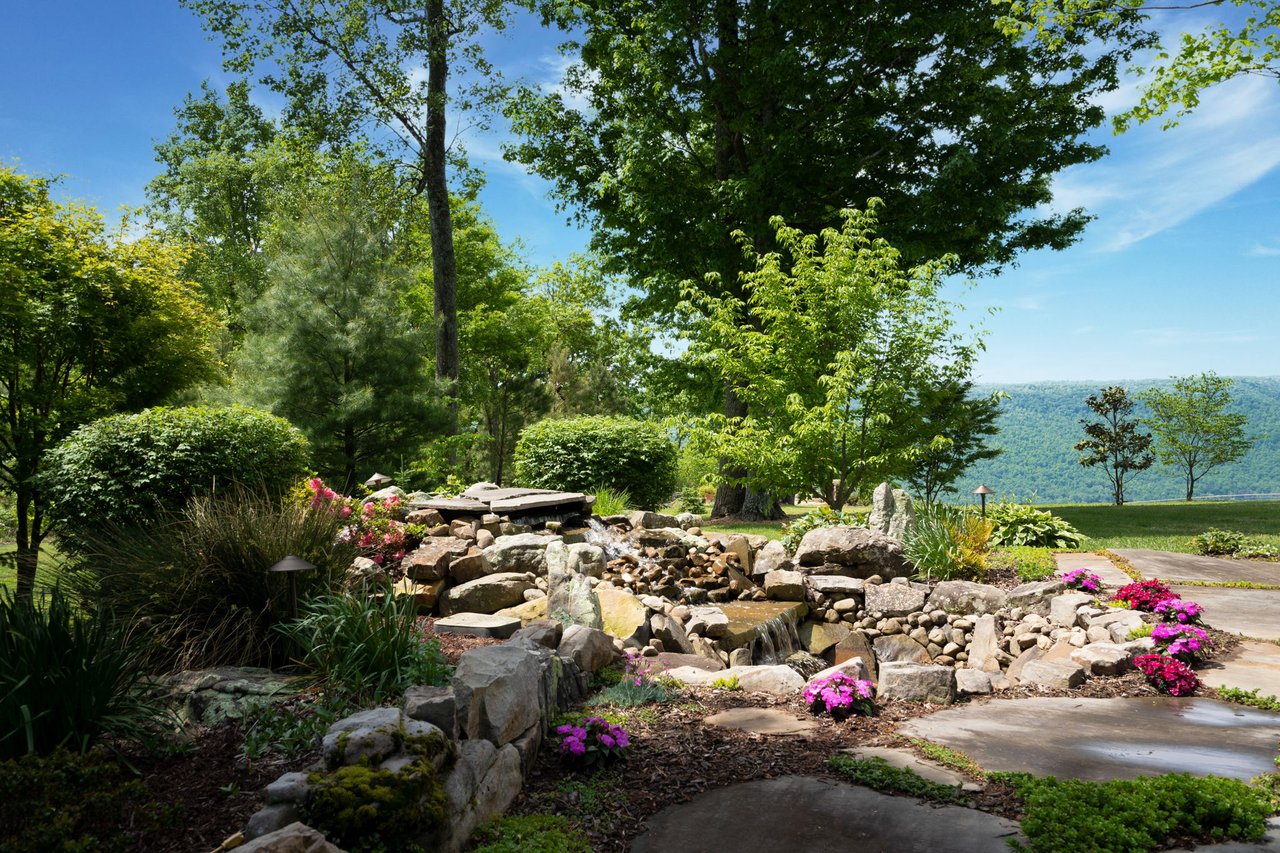
Sewanee sits at the southern end of the Cumberland Plateau, and much of its identity is shaped by the University of the South’s 13,000-acre Domain. That setting gives the area a mountain feel that is both scenic and established. It also helps Sewanee feel like more than a seasonal destination.
The university reports that the area welcomes more than 25,000 visitors a year, yet Sewanee still reads as a real community with residential patterns, gathering places, and an active village core. Planning and development materials also point to continued investment in pedestrian connections, mixed-use infill, and village life. For you as a buyer, that can mean a retreat setting with more day-to-day function than a typical vacation market.
One of Sewanee’s biggest strengths is accessibility. The university says Sewanee is about 50 minutes from Chattanooga, about 1.5 hours from Nashville, and about 2.5 hours from Atlanta. That puts it within realistic reach for weekend travel and repeat use.
For many second-home buyers, that matters just as much as the house itself. A property can be beautiful, but if getting there feels like a major project, it often gets used less than expected. Sewanee’s location supports the kind of ownership that feels practical, not just aspirational.
For mountain lovers, the outdoor setting is the headline. The Domain includes 65 miles of hiking trails, a 20-mile Perimeter Trail loop, designated and dispersed camping, climbing, caving, fishing, and 18 lakes and ponds, according to the university. In some parts of Sewanee, trail access can be surprisingly close to the village and campus area.
That said, it is important to understand that the university notes these trails and recreation areas are primarily for faculty, staff, and students, and access is governed by university rules. If you are considering a second home here, that is worth factoring into how you picture your day-to-day outdoor use. The appeal is still strong, but it is best understood clearly.
Sewanee’s outdoor draw is not limited to the Domain. Tennessee State Parks describes Savage Gulf as a nearly 19,000-acre wilderness area with about 60 miles of hiking, including routes to vistas, waterfalls, and historic locations. South Cumberland State Park also allows climbing in designated areas such as Foster Falls and Denny Cove under permit rules.
That broader park access expands what Sewanee can offer you over time. You are not relying on one single trail system or one type of outing. Instead, you have access to a larger regional landscape that supports hiking, climbing, waterfall visits, and full-day adventures.
Not every second-home visit is going to be a long hike or a full outdoor itinerary. Sometimes you want something easy, local, and low-pressure. That is where the Mountain Goat Trail adds another layer of appeal.
University pages describe the Sewanee segment as part of a paved rail-trail route, with the option for a peaceful ride into Monteagle. For many buyers, that kind of simple walking or biking access is a major quality-of-life feature. It gives you an option for daily use without needing to plan an entire backcountry day.
A second home tends to work best when the surrounding area supports real routines. Sewanee offers more than scenery. The village and nearby Monteagle provide practical conveniences such as cafes, restaurants, grocery access, an outdoor outfitter, and other small businesses.
That matters because repeat-use properties need more than a pretty setting. You want to be able to arrive on a Friday, settle in, grab what you need, and enjoy the weekend without turning every trip into a logistics exercise. Sewanee’s amenity base helps make that possible.
One thing that sets Sewanee apart from many mountain communities is its cultural life. Much of that is anchored by the University of the South. The university’s music program highlights choral and orchestral activity, including weekly services at All Saints’ Chapel and the annual Festival of Lessons and Carols, which draws about 3,000 visitors.
The Tennessee Williams Center adds another layer, with a 175-seat variable-space theatre and a 60-seat studio theatre. For you, this can mean a second-home experience that includes more than trails and views. It adds year-round texture and variety to time spent in town.
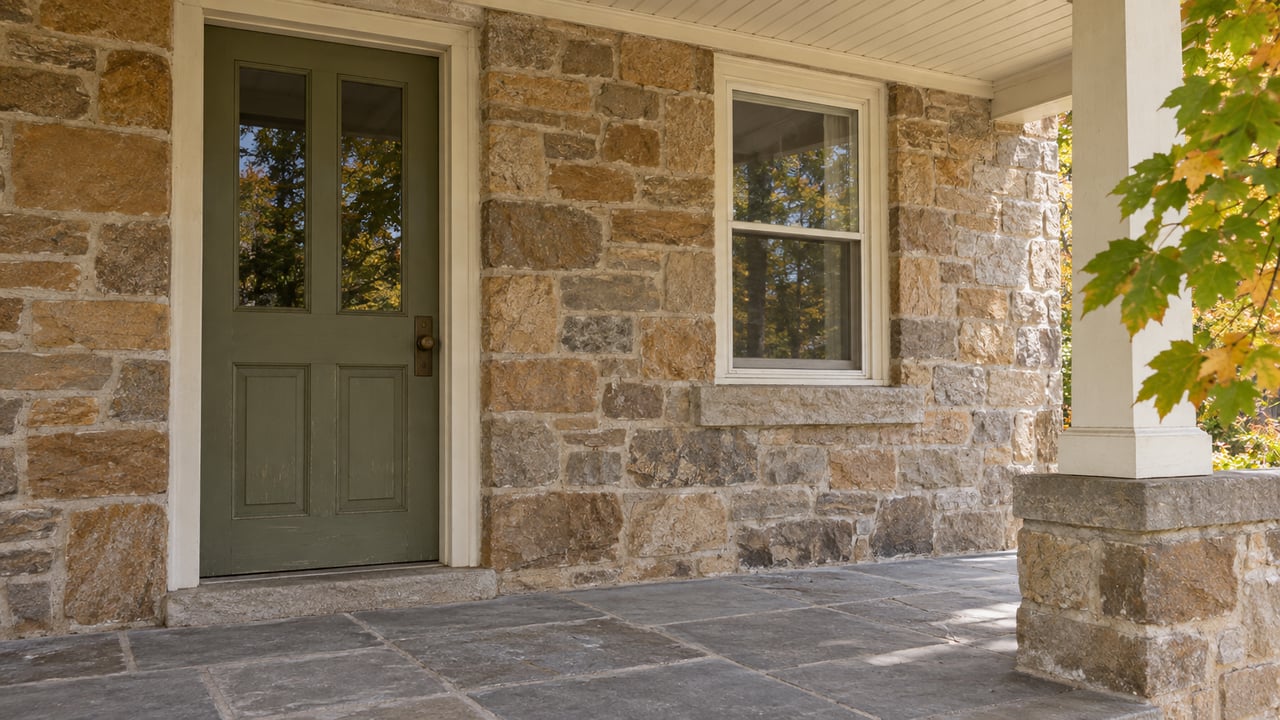
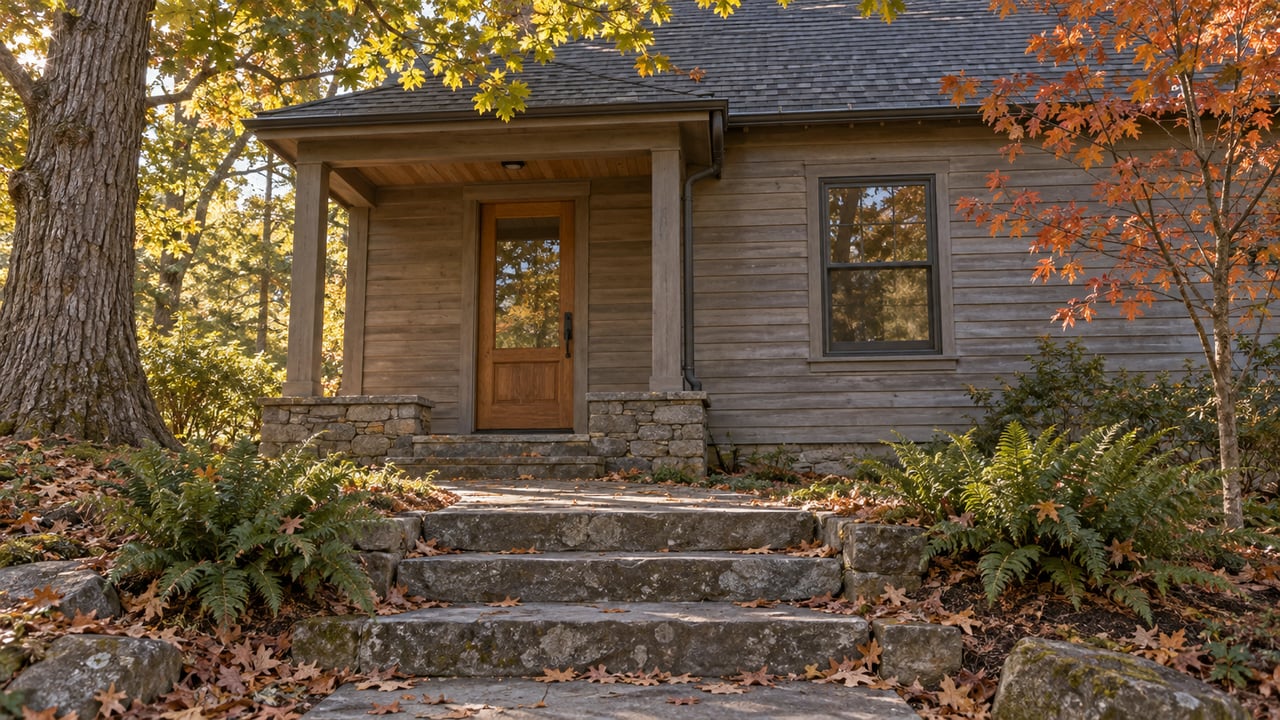
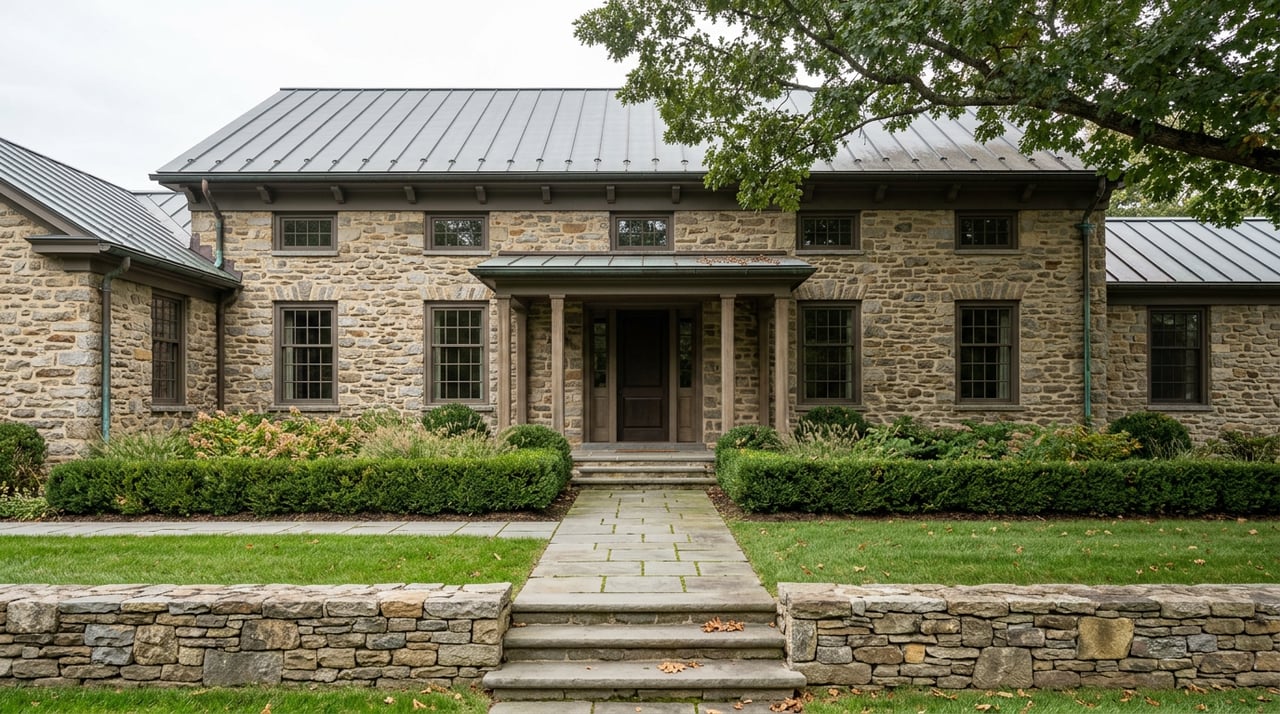
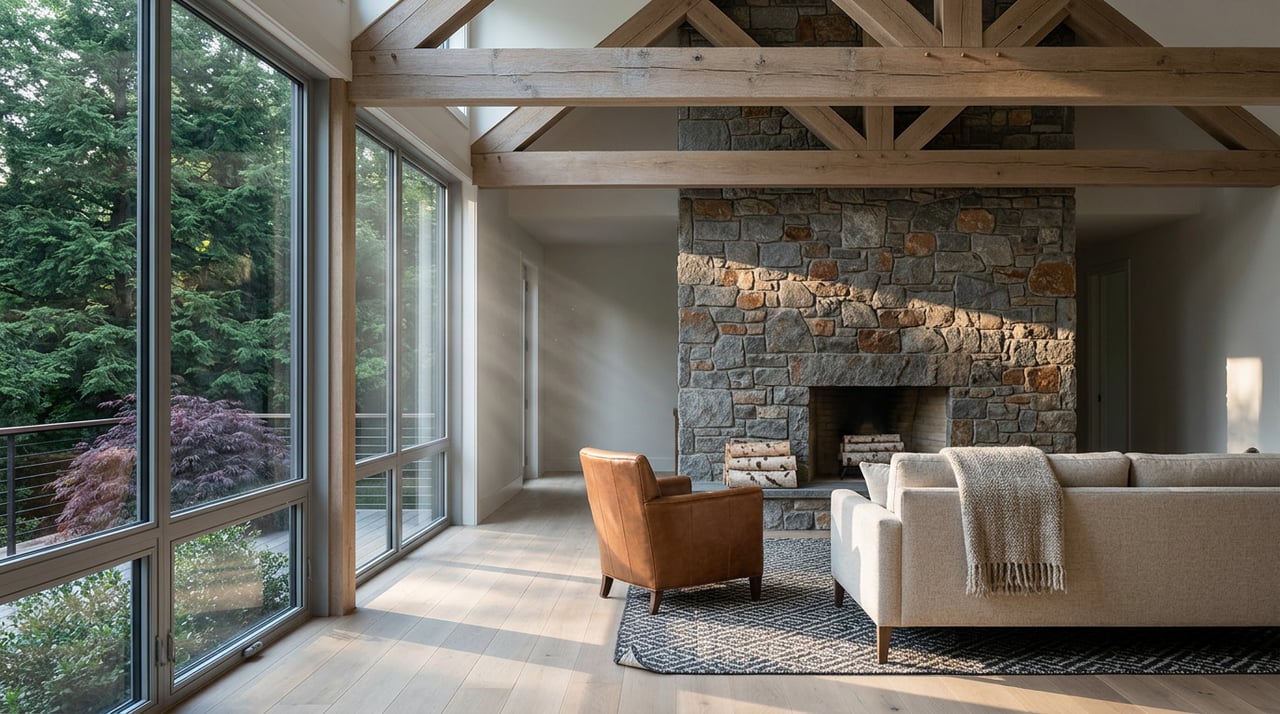
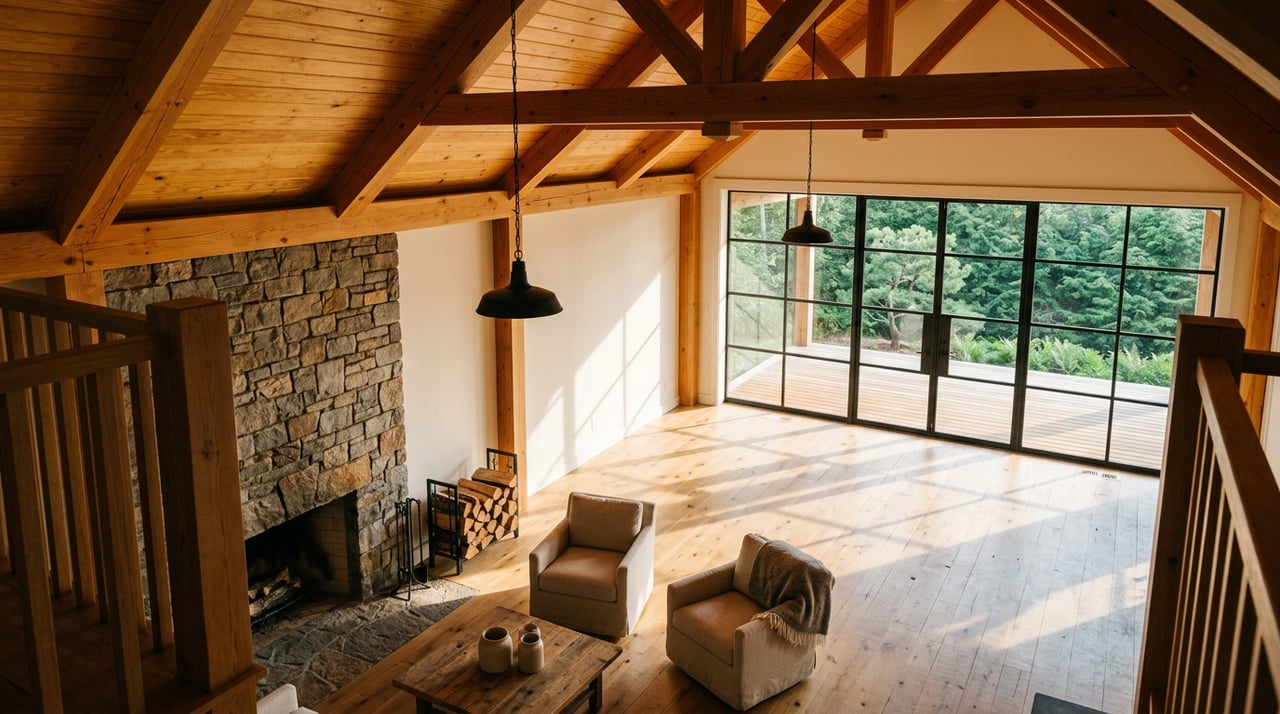
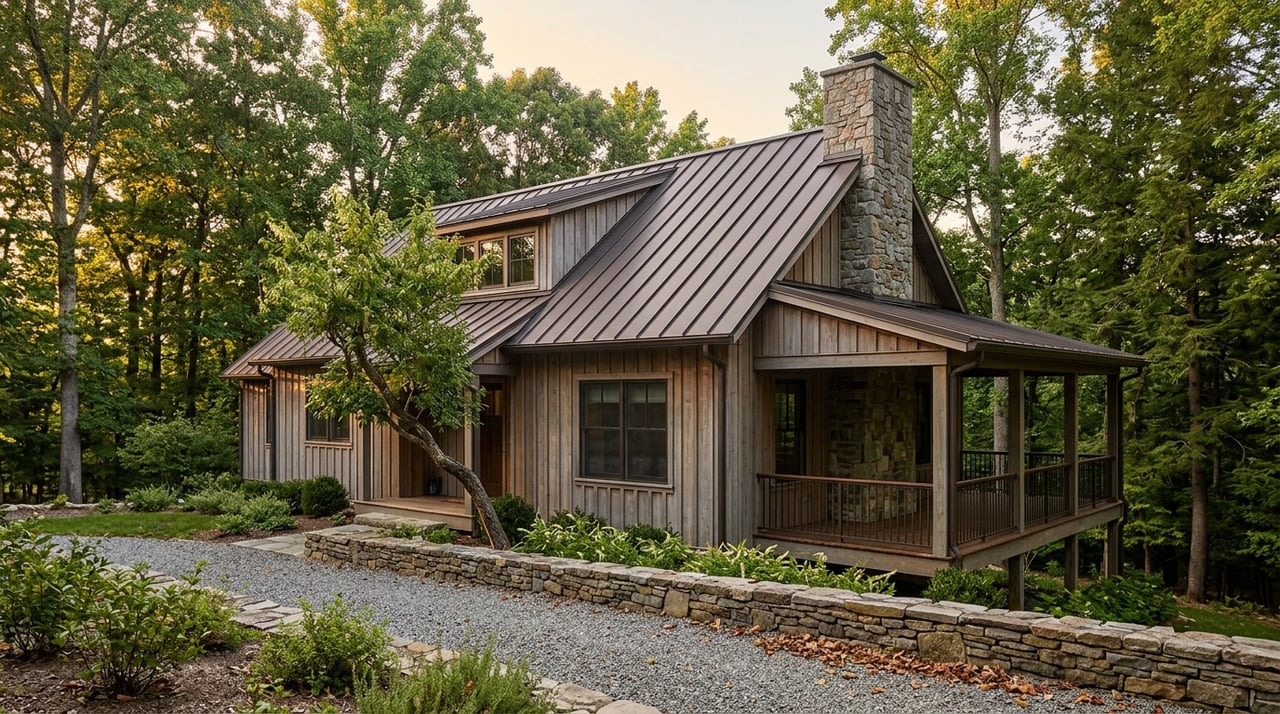
Sewanee’s built environment is a major part of its appeal. The university’s historic-house archive shows homes dating back to the 1860s and 1870s, with repeated references to cottages, summer homes, and cottage-like designs. These descriptions help explain why Sewanee often feels visually distinct from more suburban second-home markets.
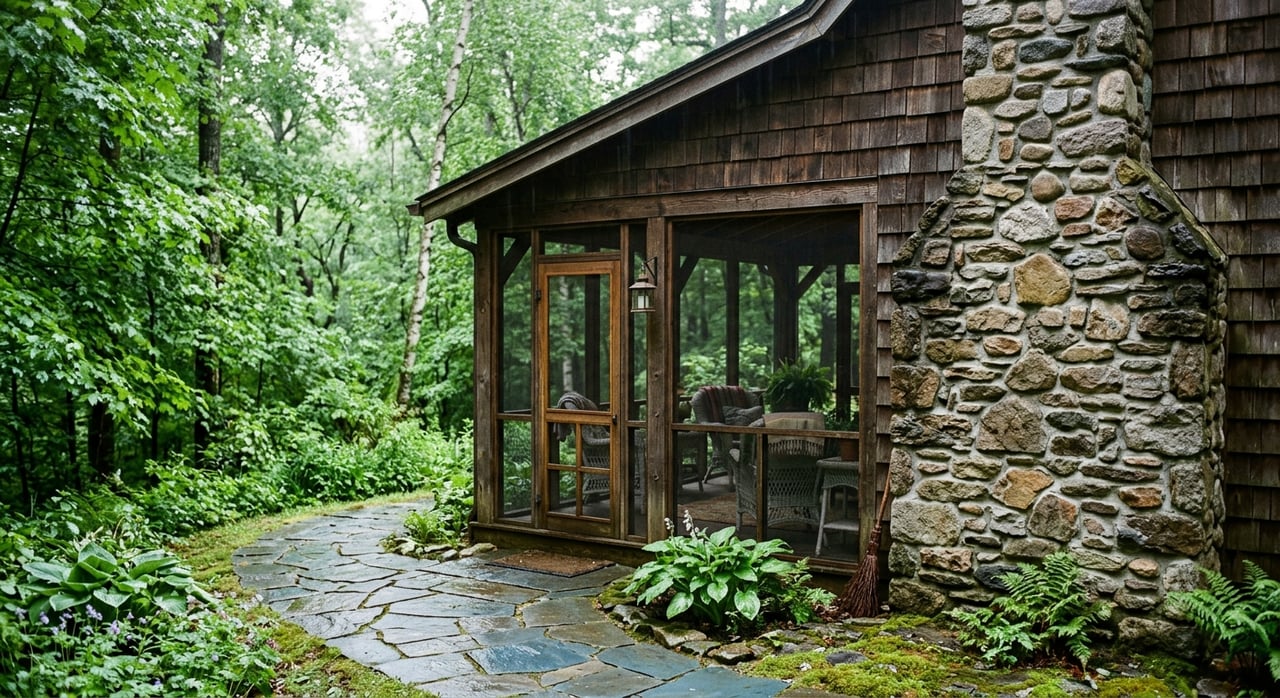
You may notice porches, wood details, and homes that feel rooted in the landscape rather than imposed on it. That sense of character can be especially appealing if you want a property with personality instead of a generic retreat-house look.
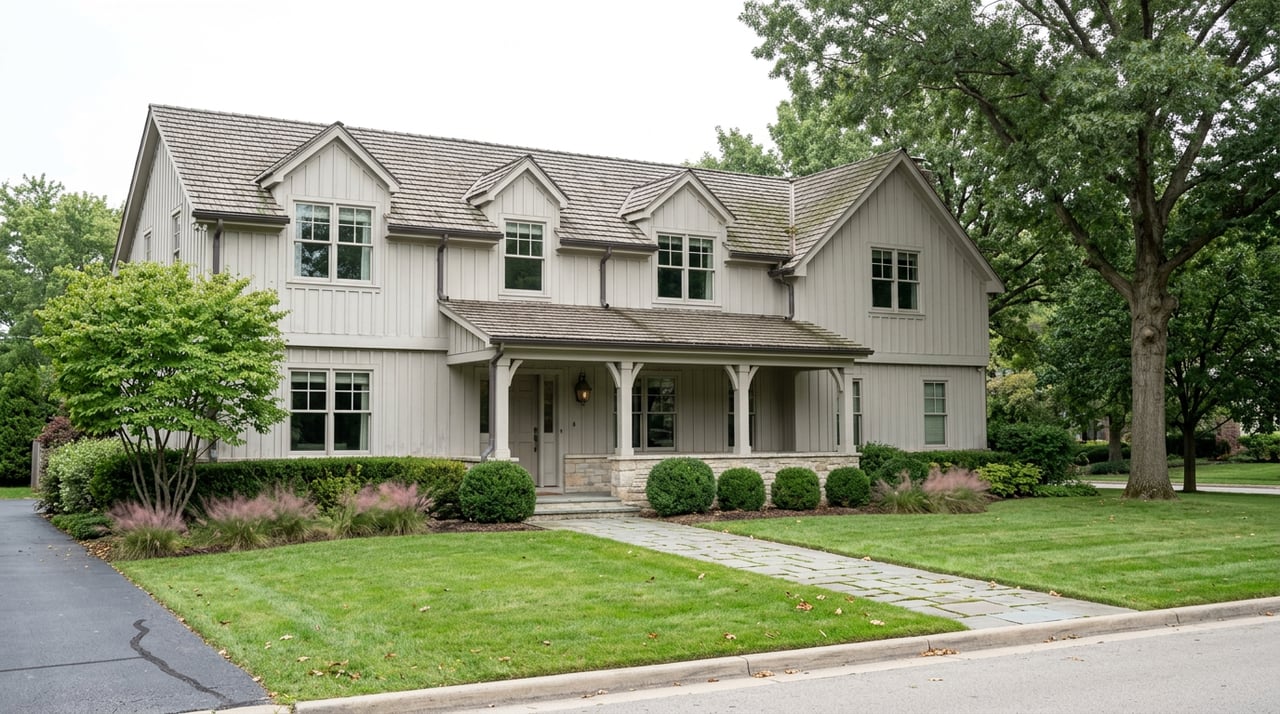
New development in Sewanee also tends to reflect the area’s established identity. The Sewanee Village Pattern Book identifies Folk, Folk Victorian, Craftsman, and Colonial Revival as the styles most appropriate for new downtown buildings. The university also provides approved stock plans for single-family homes.
The takeaway is simple: visual compatibility matters here. If you are drawn to places where design feels modest, regionally grounded, and consistent with the mountain setting, Sewanee offers that in a way many second-home markets do not.
Sewanee can be a strong match if you want a mountain retreat that supports both short stays and long-term ownership. The combination of scenic access, village amenities, and cultural activity gives it a balanced lifestyle profile. It is not just a place to visit once in a while. It is a place you can actually use in different ways through the year.
Still, the right fit depends on how you plan to live there. If trail access is central to your decision, you will want to understand the university’s rules around recreation areas. If architectural character matters to you, Sewanee’s historic and context-sensitive design language may be a major plus.
In a market like Sewanee, a home search is often about more than bedrooms and square footage. You may also be weighing setting, access, renovation potential, privacy, and how a property fits your long-term plans. Those details matter even more when you are buying from out of town or trying to balance lifestyle goals with practical use.
That is where local guidance can make the process easier. Having an experienced real estate professional who understands mountain properties, second-home priorities, and property potential can help you look beyond the listing photos and focus on the right fit for the way you want to use the home.
If you are exploring Sewanee as a second-home market, Melissa Hubbard can help you evaluate mountain properties with a practical, local perspective and a hands-on approach.
Stay up to date on the latest real estate trends.
Get assistance in determining the current property value, crafting a competitive offer, writing and negotiating a contract, and much more. Contact me today.