Are Lookout Mountain GA Vacation Rentals a Smart Buy?
May 14, 2026
May 14, 2026
If you are eyeing Lookout Mountain, GA as a vacation rental play, the first question is not just Will guests come? It is Can this specific property legally and practically work for the kind of rental income you want? That distinction matters here. Lookout Mountain benefits from strong visitor traffic and a beautiful mountain setting, but local rules and property fit are central to the conversation. Let’s dive in.
Lookout Mountain sits within the broader Chattanooga visitor corridor, which gives it a tourism profile that is bigger than its small-town footprint might suggest. Major attractions tied to the area include Rock City, Ruby Falls, the Incline Railway, Point Park, and Lula Lake Land Trust. That steady stream of visitors is one reason buyers often look at the mountain with vacation-rental potential in mind.
The tourism numbers support that interest. Walker County reported $43.6 million in visitor spending in 2023, along with 384 jobs supported and $3 million in state and local tax revenue. The county also says Rock City draws nearly half a million visitors each year, which is a meaningful demand driver for the local area.
Seasonality also matters when you evaluate income potential. Based on nearby Chattanooga climate normals and attraction patterns, spring and fall likely bring the strongest demand, while summer family travel and holiday event weekends can create additional peaks. That is not a formal occupancy study, but it is a reasonable way to think about how weather and attractions may shape guest traffic.
Before you spend much time projecting nightly rates or imagining guest stays, you need to understand the local rules. On current city guidance, Airbnb- or VRBO-style short-term rentals are not allowed inside the City of Lookout Mountain. That single point changes the entire investment conversation for many buyers.
The city does allow house sharing only in limited circumstances with approval from the Municipal Planning Commission. The ordinance page also states that home sharing requires a business license and a separate permit, along with applicable taxes and fees. In other words, if your plan depends on a full-time short-term rental model, you need to verify whether the parcel is even eligible before moving forward.
This is where due diligence becomes the investment thesis, not just a box to check. You should confirm the exact parcel, applicable city rules, zoning, neighborhood covenants, and tax treatment directly with local officials and qualified professionals before relying on projected revenue. In a market like Lookout Mountain, assumptions can get expensive fast.
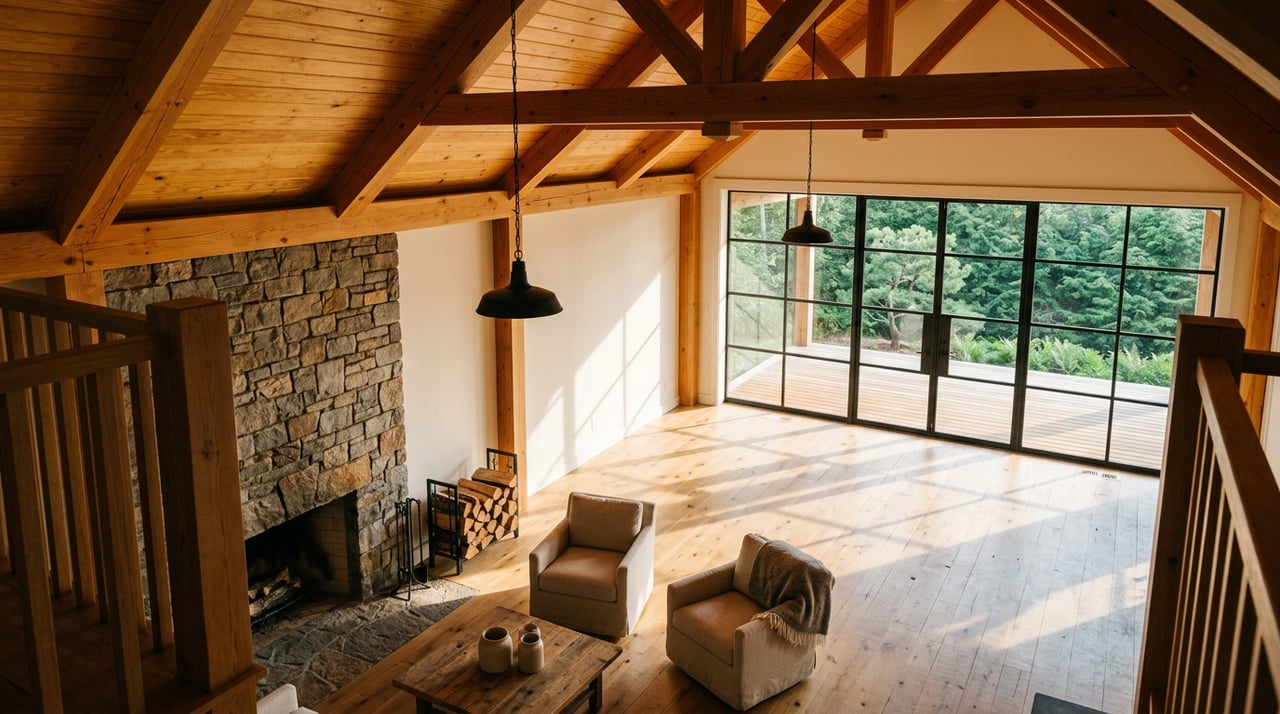
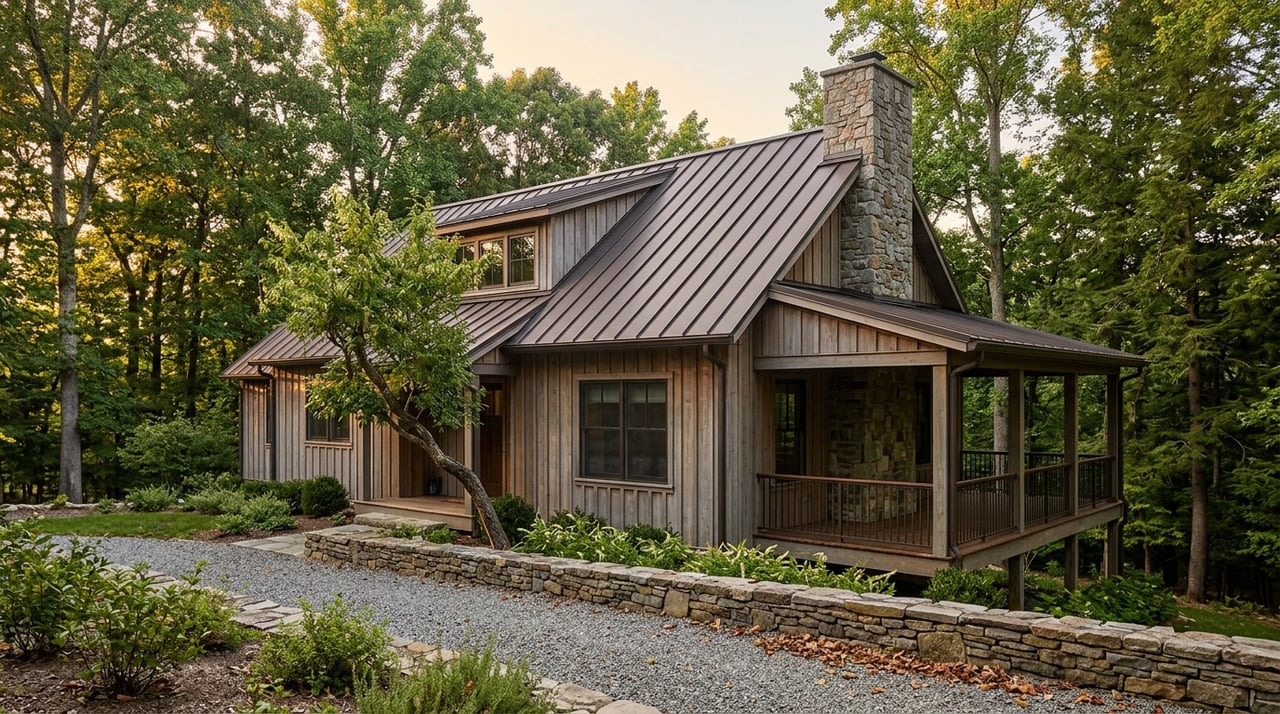
Even when a property has appealing mountain character, not every home is a natural match for guest use. Lookout Mountain’s comprehensive plan is clear that the community’s preferred character is peaceful, beautiful, and residential. Detached single-family homes, open space, scenic views, and low-density development are all emphasized.
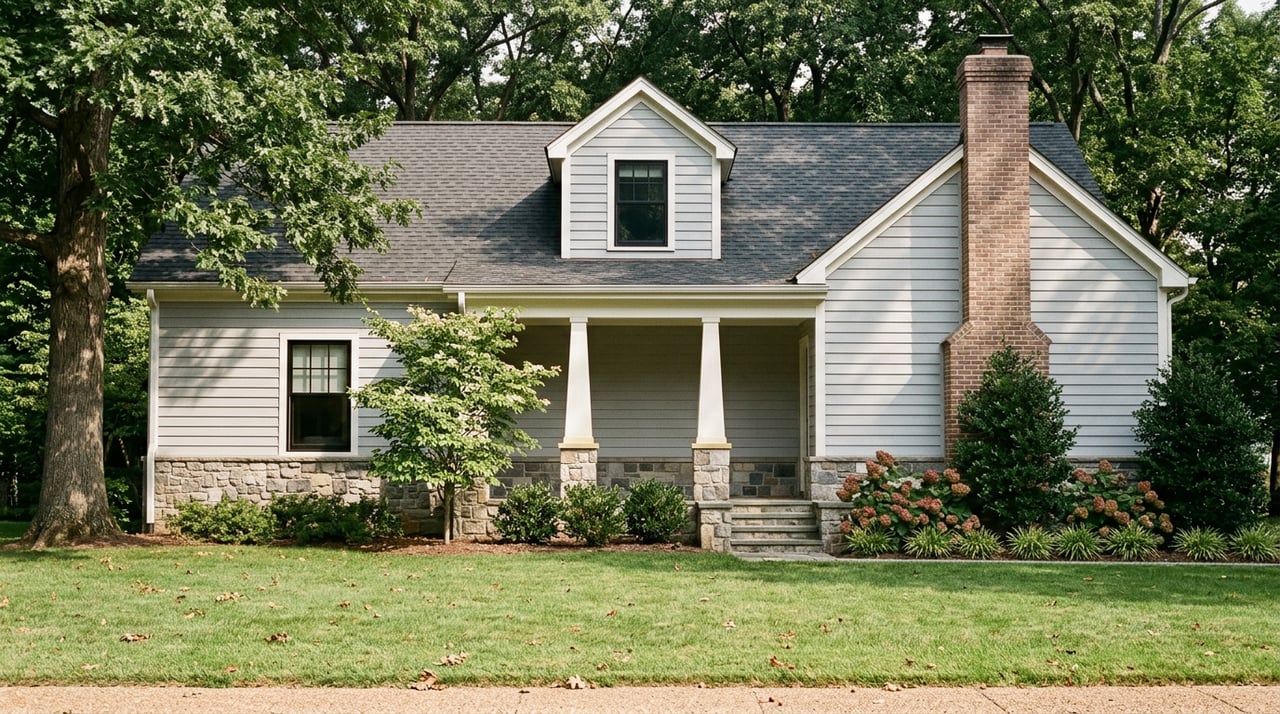
That means the most natural fit is usually a detached home, cabin, or estate-style property that already blends into the mountain setting. A home that feels private, polished, and easy to access is more aligned with local character than a dense, hospitality-style setup. For buyers, that makes property selection more nuanced than simply finding a house near attractions.
It also helps to think beyond aesthetics. A home can look ideal in photos and still be a poor operational fit if parking is awkward, access is confusing, or the layout depends on features that local rules do not support. Melissa Hubbard’s construction and land-use background can be especially valuable here, because evaluating use potential often requires more than a surface-level tour.
Some investors look for homes with guest suites, detached quarters, or flexible lower levels that can function almost like separate rental units. In Lookout Mountain, that strategy may run into local limits. According to the city FAQ, a separate kitchen is not allowed in a single-family residence, and a separate structure with both a kitchen and bathroom is not allowed.
The city also notes that separate covenants apply in neighborhoods such as Fort Trace, Turnberry, and Kirkgate. That means even if a property seems workable at first glance, private restrictions may add another layer of review. You need to evaluate both public rules and private covenants before assuming a layout can support your goals.
For buyers, this shifts the focus toward homes that function well as a single integrated residence. If your hope is to offset ownership costs through occasional approved use or house sharing, the simpler and more compliant the layout, the better. Complexity tends to create more risk in a tightly controlled setting.
If a property is legally usable in some form, the guest experience still has to work. On Lookout Mountain, logistics can make or break that experience. The city’s planning documents emphasize compatibility, curb appeal, walkability, bike connections, and preservation of natural topography and vegetation, while the city also highlights nearby dining, shops, medical support, inns, trails, parks, and outdoor destinations.
That points to a clear formula for homes that perform well in a mountain setting. Guests want a place that feels intentional, easy to arrive at, and prepared for the environment. Clear parking instructions, simple access, good outdoor spaces, and a polished first impression can matter as much as interior finishes.
This is one reason second-home buyers often benefit from a practical property review before they buy. A home with steep access, limited parking, or unclear entry flow may be harder to enjoy personally and harder to manage for any guest-oriented use that is allowed. A strong acquisition decision starts with how the home functions in real life, not just how it looks online.
Mountain properties carry operating considerations that buyers should take seriously. Using Chattanooga as the closest climate reference, the area averages about 55 inches of rain per year, 3.6 inches of snowfall, and 46 days annually at or above 90 degrees. The median first frost is October 31, the median first freeze is November 9, the median last freeze is March 24, and the median last frost is April 4.
The city’s emergency guidance also notes that winter storms can leave residents stuck on the mountain longer than people in the valley. For owners, that means weather is not just a comfort issue. It affects maintenance planning, vendor response times, communication, heating reliability, and snow or ice readiness.
Operationally, reliability may matter more than luxury. If you are evaluating a home with any guest-use angle, think through practical issues such as:
In a mountain market, the best-run property is often the one that handles ordinary challenges well. That kind of preparation also tends to align better with a quiet residential environment.
A big part of Lookout Mountain’s appeal is that guests and second-home owners are not relying on one single destination. Rock City is a major anchor and is open year-round, with seasonal events such as the Enchanted Garden of Lights adding more reasons to visit. Beyond that, the area connects to Point Park, Sunset Rock, Cloudland Canyon, trails, and other outdoor experiences that give visitors multiple ways to spend time.
Lula Lake Land Trust is an example of why local details matter. Public access is limited to scheduled Open Gate Days and reservations are required. For buyers thinking about marketing, guest planning, or personal use, that kind of detail shapes expectations and trip planning.
This broader recreation mix helps support demand, but it does not erase the importance of compliance. Strong tourism can make a market attractive, yet rules still decide what is possible on a parcel-by-parcel basis. In Lookout Mountain, you need both demand and a legally workable property to have a compelling opportunity.
If you are considering a property on Lookout Mountain with any vacation-rental angle, it helps to slow down and review the fundamentals in order. A good purchase decision here is usually built on disciplined screening, not optimistic assumptions.
Use this checklist as a starting point:
That last point is especially important. In a market with tight limitations, a property should ideally make sense for your broader ownership goals, not only for projected short-term rental income.
Lookout Mountain, GA has real tourism appeal, and the visitor base is supported by well-known attractions and the larger Chattanooga recreation corridor. From a demand standpoint, you can see why buyers are interested. The challenge is that legal use, neighborhood restrictions, and operational realities narrow the field.
For many buyers, the best opportunity may be a property that works first as a second home, scenic retreat, or long-term hold, with any guest-use potential treated as a carefully verified bonus rather than the core assumption. That is a more conservative and often smarter way to approach this market. It keeps your purchase grounded in what the property truly is, not what you hope local rules might allow.
If you want help evaluating mountain property fit, layout concerns, access issues, or cross-border buying questions in this corridor, Melissa Hubbard brings a practical, hands-on approach rooted in local market knowledge and construction insight.
Stay up to date on the latest real estate trends.

Get assistance in determining the current property value, crafting a competitive offer, writing and negotiating a contract, and much more. Contact me today.