How to Price Acreage in Sequatchie County TN
January 15, 2026
January 15, 2026
Pricing acreage in Sequatchie County can feel tricky. You know the land is special, but buyers will want clear reasons to support your price. The good news is you can build a smart, defensible number when you focus on what drives value here: access, utilities, usable acres, comps, and any constraints or extras like timber. This guide walks you through a practical framework that owners and small developers use to price land with confidence. Let’s dive in.
In Sequatchie County, buyers balance rural privacy with drive time to services. Proximity to Dunlap, major roads, and regional job centers like Chattanooga expands your buyer pool. Parcels that offer an easy commute, or quick access to groceries and healthcare, tend to fetch stronger interest.
Look at travel time, traffic patterns, and how your property fits buyer preferences such as scenic views, weekend use, or homestead potential. Your price should reflect both the setting and how convenient it is to reach.
Access is one of the biggest pricing levers. Buyers and lenders heavily weigh how you get to the land and whether rights are clear and recorded.
Before you price, verify how access is documented in the deed or plat, who maintains the road, and the condition of the route in all seasons. Properties without clear, recorded access often sell at a discount.
The availability and cost of utilities directly affect price. Buyers will value convenience and predictability.
When utilities require long extensions or have uncertain feasibility, expect buyers to discount their offers by the estimated cost and risk.
In a county with ridges, valleys, and hollows, gross acreage rarely tells the whole story. Usable acres carry the most weight in pricing.
Use desktop tools to understand soils and hydrology, then distinguish gross acres from net usable acres. A 40-acre tract with 10 to 15 usable acres will price differently than a flat, fully usable 40-acre parcel.
Standing timber can add value, but it must be documented. Species mix, diameter, market conditions, and harvest access all matter. A consulting forester can perform a timber cruise to estimate volume and stumpage and to consider harvest costs. For development-focused buyers, timber value may be secondary to site potential, so treat timber as a documented add-on rather than the core of your price.
Easements, rights-of-way, floodplain, wetlands, conservation restrictions, and split mineral rights can limit use and reduce value. Confirm zoning, setbacks, minimum lot sizes, and subdivision rules. Parcels that can be subdivided often justify a premium. Parcels with significant constraints need a price adjustment and clear disclosure.
Start with easy, low-cost checks to define potential and risk:
You are building a picture of what is likely buildable, how many sites the land could support, and any red flags to price around.
Choose 3 to 7 recent sales in Sequatchie County or adjacent rural counties with similar parcel sizes and access types. Listings provide context, but closed sales are the strongest data. When possible, convert each comp to price per usable acre. If usable acres are not provided, make a reasonable estimate based on topography and soils.
From these sales, create a low-to-high range for price per usable acre and identify a median. This is your market baseline before you apply property-specific adjustments.
Adjust your baseline for the factors that buyers will value or discount:
Be conservative. Small percentage adjustments across multiple categories can add up quickly.
Run a low, mid, and high scenario to see how price changes with different assumptions about usable acres, access costs, or utility extensions. Then validate your range with a rural land agent or an appraiser who knows Sequatchie County.
As you prepare to list, assemble documents that support your price and reduce friction:
Transparency builds trust and helps buyers move quickly.
If your comps show a median price per usable acre, apply that to your parcel’s net usable acres, then layer in your adjustments. Example method:
Document how you arrived at the figure so buyers, lenders, and appraisers can follow your logic.
Order a boundary survey before marketing if corners are unclear, if financing will require it, or if you plan to subdivide. Topographic surveys can help quantify slopes and buildable areas and support site planning. These steps clarify usable acres and prevent disputes later.
If your tract carries meaningful timber, a consulting forester can provide a cruise with volume, species, product class, and stumpage estimates, plus harvest feasibility. This documentation helps you decide whether to harvest before sale or price with timber value included.
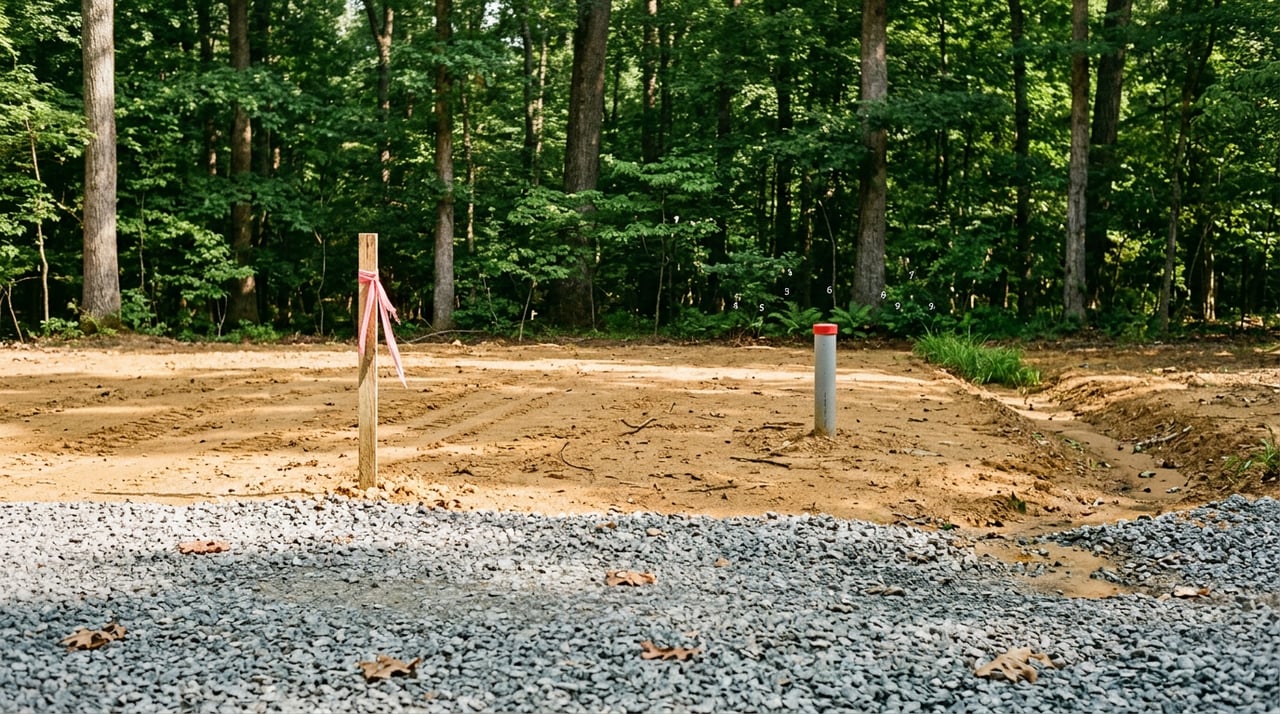
If sewer is not available, septic feasibility can make or break value. When buildability is uncertain, order perc tests or a soil evaluation before listing. Failed or marginal soils tend to lower price and can limit site yield for developers.
If your land includes streams, wet flats, or mapped floodplain, consider an environmental assessment or wetland delineation. Knowing where regulated areas are located helps you price accurately and avoid surprises during due diligence.
Confirm early whether mineral rights convey and whether there are conservation easements, utility easements, or other restrictions in the chain of title. This clarity reduces renegotiations and supports your pricing narrative.
For reliable, up-to-date information, focus on:
These sources form the backbone of a credible valuation and a smooth transaction.
Use this quick list to organize your pricing and prep work:
A strong price for acreage in Sequatchie County comes from clear facts and careful adjustments. Focus on usable acres, access, utilities, and documented constraints, then validate with recent local sales. If you stage your due diligence and present buyers with organized, transparent information, you increase both confidence and market response.
If you want help building comps, estimating usable acres, and presenting your land to the right buyer pool, reach out to Melissa Hubbard. You will get hands-on guidance, local expertise, and polished marketing that showcases your property’s full potential.
Stay up to date on the latest real estate trends.

Get assistance in determining the current property value, crafting a competitive offer, writing and negotiating a contract, and much more. Contact me today.