That dirt track to your dream acreage might look fine today, but is it a legal right of way you can rely on long term? If you are considering land in Marion County, road access and easements can make or break your plans to build, finance, or resell. The good news: with a clear process, you can confirm what you have, fix what is missing, and move forward with confidence. This guide shows you how to verify legal and physical access in Marion County, what documents to pull, who to contact, and what to do if access is unclear. Let’s dive in.
Legal vs. physical access
Not all access is equal. You need to understand two different ideas:
- Legal access means a recorded right to use a route, such as an easement or a public right of way. Lenders and title companies look for this.
- Physical access means you can actually reach the property by a usable driveway or road.
Both matter for value, financing, insurance, utilities, and resale. A parcel can be “landlocked” even if a dirt driveway reaches a road. If there is no recorded right of way, you may not have legal access, and that can be costly and time‑consuming to correct.
Common easements you may see
You will encounter different access situations in rural Marion County. Here are the basics:
- Express easement. A written, recorded agreement that grants ingress and egress. This is the strongest evidence of legal access.
- Easement by necessity. May arise when a parcel was split and one part would otherwise be landlocked. Courts can imply a way of necessity based on facts and state law.
- Implied easement by prior use. Can arise if a route was obvious, continuous, and necessary when land was divided.
- Prescriptive easement. Based on open, continuous, adverse use for a statutory period. Standards vary by state. Consult a Tennessee real estate attorney.
- Public right of way. County or state roads that have been accepted and maintained as public. Acceptance and maintenance records determine status.
- Utility easement. Recorded rights for utilities. These can shape where a driveway fits or create constraints.
- Private road and maintenance agreement. Recorded covenants that set out maintenance responsibilities and cost sharing for a shared private road.
A recorded easement is better than a handshake. Title policies may exclude access problems unless you get specific endorsements. Lenders typically want clear legal access to a public road.
Verify legal access in Marion County
Use this step‑by‑step process before you remove contingencies or invest heavily in due diligence:
Pull recorded title and granting documents. Order a title commitment from a licensed title company. Review the exceptions and request copies of any recorded easements, rights of way, covenants, restrictions, and plats. Search recorded instruments with the Marion County Register of Deeds.
Examine plats and legal descriptions. Obtain recorded plats or surveys. Metes‑and‑bounds descriptions may reference a recorded easement or right‑of‑way parcel. Vague or older descriptions increase the need for a modern survey.
Order a survey. An ALTA/NSPS or boundary survey helps identify property lines, visible encroachments, recorded easements, and where the property meets a public right of way. For financing, subdividing, or ambiguous access, an ALTA survey is recommended.
Confirm the chain of title. Verify whether an access easement was granted, if it was ever released, and whether a maintenance agreement exists and is recorded.
Check county and state road records. For county roads, ask the Marion County Highway or Road Department about road acceptance and maintenance status. For state routes, contact TDOT regarding driveway permits and state right‑of‑way records.
Ask about maintenance agreements. If access relies on a private road, request the recorded road maintenance agreement or covenants that assign maintenance duties and cost sharing.
Discuss insurability. Talk with your title company about an access endorsement and any remaining exceptions. If access is disputed or unclear, consult a Tennessee real estate attorney.
Verify physical access on the ground
Legal rights are not the whole story. You also need to confirm the route is usable throughout the year.
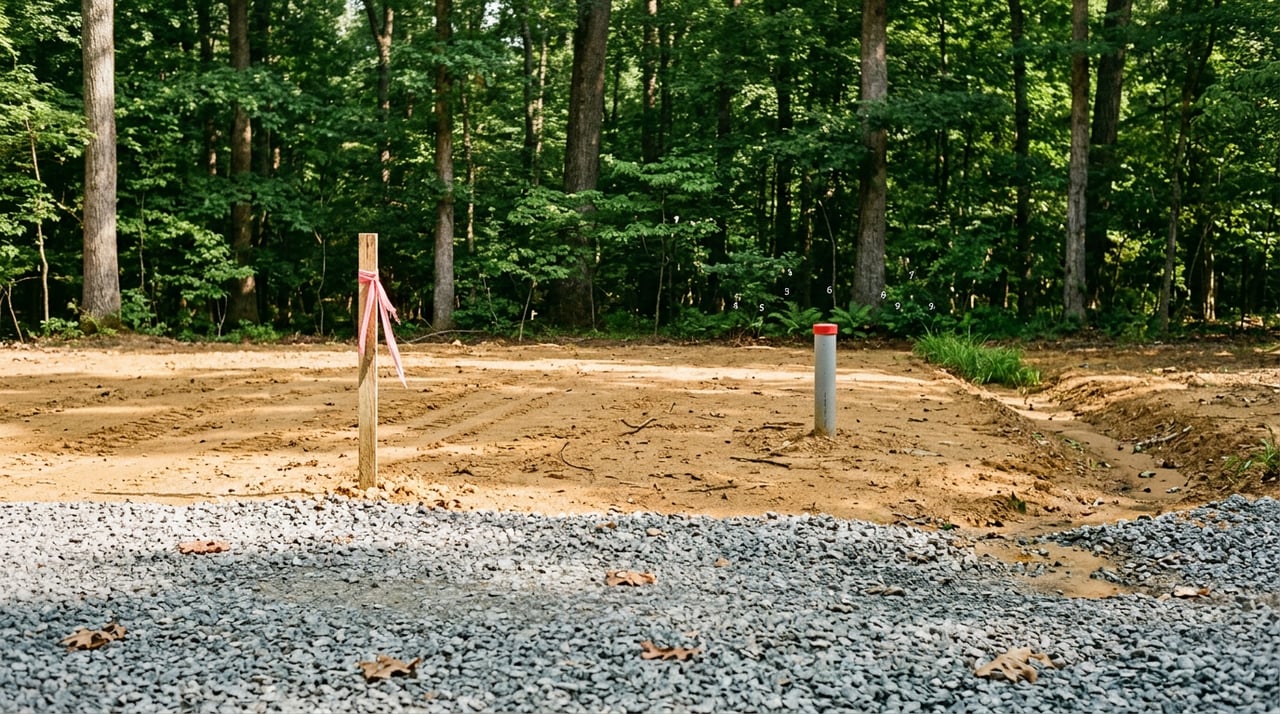
- Drive the route. Visit the property from the nearest public road. Try to inspect after rain and in different seasons to spot mud, washouts, culverts, or stream crossings.
- Note obstructions. Look for locked gates, fences, or blockages. Track whether the route crosses other private lands.
- Check topography and soils. Steep slopes and poorly drained soils can limit driveway options and increase costs.
- Evaluate flood risks. Identify whether the route falls in a floodplain. Seasonal flooding can interrupt access or require a culvert or bridge and permits.
- Confirm utilities. See where utilities run. Some utility corridors can guide driveway placement; others may limit grading options.
- Understand maintenance. Clarify who maintains the road today. Unmaintained private routes can be expensive to repair and keep passable.
Road status and permits
Knowing whether your route connects to a public road, and how that road is controlled, helps you plan and budget.
- County roads. The Marion County Highway or Road Department can confirm whether a road is a county‑accepted public road and whether the county maintains it. Acceptance and maintenance affect reliability and future upkeep.
- State routes. If you will create or modify a driveway on a state road, TDOT regulates access and driveway permits. Permits and right‑of‑way rules affect driveway location, width, sight distance, and construction.
If your access point is on a private road, you will rely on the recorded easement and any maintenance agreement. Confirm both early.
If access is missing or unclear
Do not assume a visible path equals a legal right. If the title search or survey raises questions, you still have options:
- Negotiate an express easement. Work with the neighboring owner to record an easement that defines location, width, surfacing, and maintenance obligations.
- Purchase a fee strip. Buy a narrow strip of land to reach a public road.
- Quiet title or declaratory action. If there is a dispute or uncertainty, a court can clarify rights. This can take time and has no guaranteed outcome.
- Easement by necessity or implied easement. May be available depending on facts and Tennessee law. Consult counsel.
- Prescriptive easement. Possible when long‑term use meets strict standards. Time frames and proof are fact‑specific in Tennessee.
Practical effects: lenders usually require legal access. Title companies may exclude access defects unless resolved or insured by endorsement. Costs and timelines vary from a simple neighbor agreement to multi‑year litigation.
Buyer checklist for Marion County land
Use this quick sequence to protect your timeline and budget.
Before you write an offer
- Review listing documents for deeded access, recorded easements, HOA or road associations, and any maintenance covenants.
- Do a basic online check with the Marion County GIS and Assessor maps, aerial imagery, and any available recorded plat.
Contract contingencies
- Add a contingency to confirm legal and practical access within a set timeframe.
- Include a contingency for a satisfactory survey and title commitment.
Right after going under contract
- Order the title commitment and request copies of all referenced easements, plats, and covenants.
- Order a survey. Consider an ALTA/NSPS survey if you are financing, subdividing, or if access is unclear.
- Contact the Marion County Highway Department about county road status. If a state route is involved, ask TDOT about driveway permit requirements.
- Inspect the route in different weather. Document culverts, stream crossings, gates, and steep grades.
- If no recorded access exists or it is disputed, speak with a Tennessee real estate attorney about solutions.
- Ask the title company about an owner’s policy that insures access and whether an endorsement is available.
- If using a private road, obtain the recorded maintenance agreement and confirm it is enforceable.
Before closing
- Ensure any new easement instruments are signed and recorded.
- Clear title objections and confirm any driveway permits needed on county or state roads.
Local resources to contact
When you are ready to verify details, these offices and tools are useful:
- Marion County Register of Deeds. Search recorded deeds, easements, and plats.
- Marion County GIS and Property Assessor. Review parcel maps, aerial imagery, and assessed information.
- Marion County Highway or Road Department. Confirm county road acceptance and maintenance status and ask about private road policies.
- Marion County Planning Commission and County Clerk. Check subdivision plats, ordinances affecting access and driveway standards, and recorded covenants.
- Tennessee Department of Transportation (TDOT). Learn about state right‑of‑way and driveway permit requirements for state routes.
- FEMA Flood Maps. Identify flood hazard areas that can affect road location and seasonal access.
- Local surveyors and civil engineers. Get guidance on terrain, culverts, stream crossings, and driveway feasibility.
- Title companies and Tennessee real estate attorneys. Clarify access instruments, insurance, and potential remedies.
Tip: Many county sites provide online deed search and GIS viewers. Use official county or state sites and keep copies of any documents you rely on.
Make your due diligence count
Access is a foundational issue for rural land in Marion County. When you confirm both legal and physical access early, you protect financing, control costs, and avoid surprises that can derail your project. A clear title commitment, the right survey, and documented maintenance responsibilities will set you up for a smoother closing and a property you can use year‑round.
If you want a hands‑on partner who understands buildability, driveway feasibility, and how to navigate county and state steps, reach out to Melissa Hubbard. Let’s connect and map out a smart plan for your acreage purchase.
FAQs
Does a driveway to the road guarantee legal access?
- No. A physical driveway can be permissive only. You need a recorded easement or public dedication to confirm legal access.
Will title insurance always cover access issues in Marion County?
- Not always. Standard owner policies often exclude access defects unless you obtain a specific endorsement from the title company.
What if my parcel appears landlocked but there is an old trail?
- You may need to negotiate a recorded easement, pursue a fee strip, or consult counsel about implied or prescriptive rights. Facts and Tennessee law control outcomes.
Can the county force a neighbor to grant access?
- Courts can sometimes grant an easement by necessity, but condemnation is not a regular remedy for private access disputes. Legal advice is essential.
How much does it cost to fix a road access problem?
- Costs vary widely. Budget for surveys, title and legal work, potential easement payments, construction for driveways or culverts, and any required permits.
What survey should I order for rural acreage?
- An ALTA/NSPS survey is often recommended when you are financing, subdividing, or resolving access questions because it maps easements and access points clearly.